
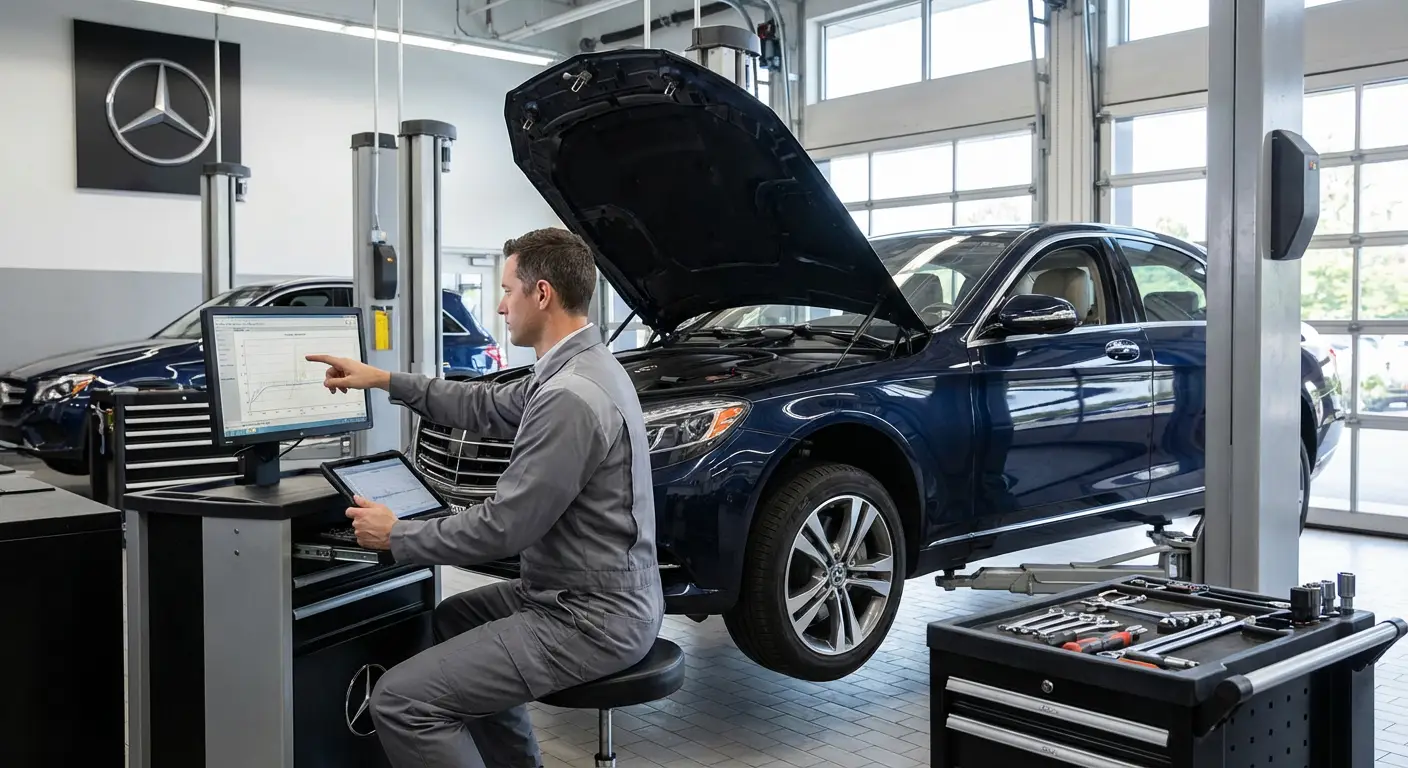
When you bring your vehicle to a repair shop, you want clear answers.
You want to know what is working well, what needs attention, and what can wait.
For many drivers, that has not always been the experience.
Traditional inspections often relied on handwritten notes, rushed phone calls, or quick verbal explanations that left too much room for confusion.
That’s why digital vehicle inspection services have become so popular.
A digital vehicle inspection gives you a clearer view of your vehicle’s condition through a professional multi-point inspection supported by photos, notes, and organized recommendations sent directly to your phone or email.
Instead of simply being told what your car needs, you can often see exactly what the technician sees.
If you’re wondering what to expect from a digital vehicle inspection service, this guide explains how the process works, why it matters, and why so many drivers now prefer this modern approach.
What Is a Digital Vehicle Inspection?
A digital vehicle inspection is a modern version of a traditional inspection.
During the process, a technician checks key systems and components throughout your vehicle and records the findings using digital tools instead of paper forms.
In many cases, the results are sent to you by text or email in a digital report.
That report may include:
- Photos of worn or damaged parts
- Technician comments
- Condition ratings
- Maintenance recommendations
- Safety concerns
- Items to monitor over time
The goal is simple.
A digital vehicle inspection makes your vehicle’s condition easier to understand.
Why Digital Vehicle Inspections Matter
Many vehicle owners feel uncertain when a repair shop calls and says several things need attention.
Even when the shop is being honest, it can be hard to picture the problem without seeing it yourself.
A digital vehicle inspection helps remove that uncertainty.
It creates a more transparent process by showing you the condition of key parts and systems.
That makes it easier to understand the difference between an urgent repair, a routine maintenance item, and something that can wait until a later visit.
For drivers, that often means:
- Better communication
- More confidence in repair recommendations
- Less confusion
- Easier planning for future maintenance
- Greater trust in the inspection process
What Happens During a Digital Vehicle Inspection?
While every shop has its own process, most digital vehicle inspections follow a similar pattern.
Vehicle Check-In
The process usually begins when you bring your vehicle to the shop.
You may be visiting for a specific concern such as brake noise, a warning light, or poor handling.
You may also be there for routine maintenance like an oil change or seasonal service.
At check-in, the service advisor or technician notes your concerns and the reason for the visit.
This helps guide the inspection and ensures known issues receive proper attention.
Multi-Point Inspection
Next, the technician performs a detailed inspection of the vehicle.
This usually includes a review of major safety, performance, and maintenance-related systems.
A typical inspection may cover:
- Brakes
- Tires
- Suspension
- Steering
- Fluid levels and condition
- Battery condition
- Belts and hoses
- Lights
- Filters
- Exhaust components
- Visible leaks
- Windshield wipers
- Underhood components
Depending on the reason for the visit, the inspection may also include additional checks related to warning lights, vibrations, unusual noises, or drivability concerns.
Photos and Technician Notes
One of the most valuable parts of a digital vehicle inspection is the visual documentation.
If the technician finds worn brake pads, a leaking shock, cracked belts, uneven tire wear, or a dirty cabin air filter, they may take photos to include in the report.
These images help you understand the findings more clearly.
Instead of hearing that something is worn out, you may be able to see the wear for yourself.
The technician may also include comments explaining:
- What was found
- Why it matters
- Whether it is a safety issue
- Whether it needs immediate repair
- Whether it should be monitored for now
Digital Report Delivery
Once the inspection is complete, the shop sends you the report.
This is usually delivered by email, text message, or through a customer portal.
Many reports are organized with a simple color-coded system:
- Green for good
- Yellow for items to watch or plan for
- Red for items needing prompt attention
This format makes the inspection easier to follow.
Instead of sorting through confusing jargon, you can quickly see what is in good shape and what needs further discussion.
What Should Be Included in a Good Digital Vehicle Inspection Report?
Not all inspection reports are equally helpful.
A good digital vehicle inspection should be clear, organized, and easy to understand.
You should expect the report to include the following:
Clear Condition Information
The report should show the condition of important systems and parts in plain language.
You should not have to guess what the technician means.
Photos or Videos
Visual proof is one of the biggest advantages of a digital inspection.
Photos can explain wear, damage, leaks, or safety concerns far better than a quick verbal summary.
Technician Comments
A quality report should include notes from the technician explaining what was found and why it matters.
Prioritized Recommendations
A good shop should help you understand what is urgent, what is preventive, and what can wait.
This is especially important if you are planning repairs within a budget.
Safety Concerns
If something affects the safe operation of your vehicle, that should be clearly identified.
Monitor Items
Not every issue requires immediate action.
A digital inspection should also point out items that are still usable but may need attention later.
The Biggest Benefits of a Digital Vehicle Inspection Service
There are several reasons more drivers now prefer digital inspections over older methods.
Better Transparency
Transparency is one of the biggest advantages.
When a technician includes photos and detailed notes, you get a clearer picture of your vehicle’s actual condition.
That can make the entire repair process feel more open and honest.
Easier Decision-Making
Not every recommendation needs to be approved right away.
A digital inspection helps you understand priorities so you can make informed choices.
For example, you may decide to approve a brake repair now while planning for tire replacement in the coming months.
Better Record Keeping
A digital report gives you a record of your vehicle’s condition at a specific point in time.
That can be helpful when tracking wear, comparing changes between visits, or planning future maintenance.
More Convenient Communication
Busy drivers are not always available for long phone calls.
Digital inspections let you review the report on your own time, whether you are at work, at home, or on the go.
Stronger Trust
When a repair shop takes the time to document the vehicle thoroughly and explain its findings clearly, it often builds more trust with the customer.
What a Digital Vehicle Inspection Should Feel Like
A good digital inspection should make you feel informed, not pressured.
You should expect the experience to feel:
- Clear
- Professional
- Organized
- Respectful
- Informative
It should not feel confusing or overly technical.
It also should not feel like every single item is being treated as an emergency.
A trustworthy shop will explain what truly needs immediate attention and what can be planned for later.
The best digital vehicle inspection services are designed to educate customers, not overwhelm them.
Common Problems a Digital Vehicle Inspection May Reveal
A digital inspection can uncover many issues that might not be obvious to the driver.
Brake Wear
Brake pads and rotors wear over time.
A digital inspection may show how much material is left and whether service is recommended soon.
Tire Issues
Uneven tire wear, low tread depth, sidewall damage, or improper inflation can often be identified during an inspection.
Fluid Leaks
Small leaks can turn into major repairs if ignored.
A digital report may include photos of oil leaks, coolant seepage, or other fluid-related concerns.
Dirty Filters
Engine air filters and cabin air filters are easy to overlook, but they affect performance and comfort.
Battery Concerns
Weak batteries, corrosion, or poor connections may be found before they leave you stranded.
Suspension Wear
Worn shocks, struts, bushings, or steering parts can affect ride quality, handling, and safety.
Belts and Hoses
Cracks, wear, and aging rubber components are common findings that can be documented clearly with photos.
Does a Digital Inspection Mean You Have to Approve Everything?
No.
A digital vehicle inspection is there to help you understand your vehicle, not pressure you into approving every recommendation.
A good repair shop will explain the findings and help you decide what to do next.
Some repairs may be urgent, especially if they affect safety.
Others may be routine maintenance items or issues to watch over time.
You should expect to have the ability to:
- Review the findings
- Ask questions
- Understand the priority of each item
- Choose how to proceed
That flexibility is an important part of a professional inspection process.
How Digital Vehicle Inspections Support Preventive Maintenance
One of the greatest advantages of a digital inspection is that it helps catch smaller problems early.
A vehicle rarely goes from perfect condition to major failure overnight.
More often, parts wear down gradually.
Brake pads thin out.
Tires lose tread.
Hoses begin to crack.
Small leaks develop.
Suspension parts loosen over time.
Digital inspections help identify these issues before they become more serious and more expensive.
That gives you the chance to plan repairs, protect your vehicle, and reduce the risk of breakdowns.
Preventive maintenance can help with:
- Vehicle safety
- Long-term reliability
- Better performance
- Lower ownership costs over time
- Preserving resale value
Who Benefits Most From a Digital Vehicle Inspection?
Almost every driver can benefit from a digital inspection, but some people find them especially useful.
Busy Professionals
If you do not have time for long phone discussions during the day, a digital report lets you review the results when it is convenient.
Families With Multiple Vehicles
A digital inspection helps keep maintenance records more organized when several vehicles are being managed.
First-Time Car Owners
If you are not familiar with vehicle systems, a photo-based report can make the process much easier to understand.
Long-Term Vehicle Owners
Drivers who plan to keep their vehicle for many years often appreciate having clear maintenance documentation and early warning signs of wear.
Drivers Who Value Transparency
If you prefer seeing the condition of your vehicle rather than just hearing about it, digital inspections are an excellent fit.
Questions to Ask About a Shop’s Digital Vehicle Inspection Service
If you are choosing a repair shop, it is smart to ask how their digital inspection process works.
Helpful questions include:
- Will I receive photos or videos?
- How will the report be sent?
- Will the report show what is urgent and what can wait?
- Can someone explain the findings to me?
- Will I get a copy for my records?
These questions can help you understand how clearly the shop communicates and how useful the inspection process will be.
Why Digital Inspections Are Especially Helpful for Modern Vehicles
Today’s vehicles are more advanced than ever.
They often include more sensors, electronics, safety systems, and tightly integrated components than older cars.
That complexity makes communication even more important.
When technicians are explaining wear, leaks, electronic faults, or preventive maintenance needs, a digital report can make the information much easier to understand.
For modern vehicles, digital inspections help bridge the gap between technical knowledge and customer understanding.
Choosing a Repair Shop That Offers Digital Vehicle Inspections
Not every repair shop handles inspections the same way.
When looking for a shop that offers digital inspections, pay attention to more than just the technology.
The best shops combine digital tools with:
- Experienced technicians
- Clear communication
- Honest recommendations
- Organized reporting
- Customer education
- A strong focus on trust
Technology alone does not create a good customer experience.
What matters most is how the shop uses that technology to serve the customer.
Final Thoughts
What should you expect from a digital vehicle inspection service?
You should expect clarity.
You should expect visual proof.
You should expect organized results, straightforward communication, and recommendations that help you make informed decisions about your vehicle.
A digital vehicle inspection should make the repair experience feel less confusing and more transparent.
It should help you understand what your vehicle needs now, what may need attention later, and how to plan maintenance with more confidence.
For drivers who value honesty, convenience, and better communication, digital vehicle inspections are one of the most useful improvements modern repair shops have made.


