
5 Essential Auto Maintenance Tips Every Driver Should Know
Your car is probably one of the biggest investments you’ll make, and keeping it running smoothly doesn’t have to be complicated or expensive. Regular maintenance prevents costly repairs down the road and keeps you safe on every drive. Whether you’re a new driver or someone who’s been behind the wheel for decades, these five essential tips will help you take better care of your vehicle and extend its lifespan. Let’s look at the maintenance tasks that matter most.
- Partner with a Trusted Local Mechanic Like Crompton Brothers Automotive

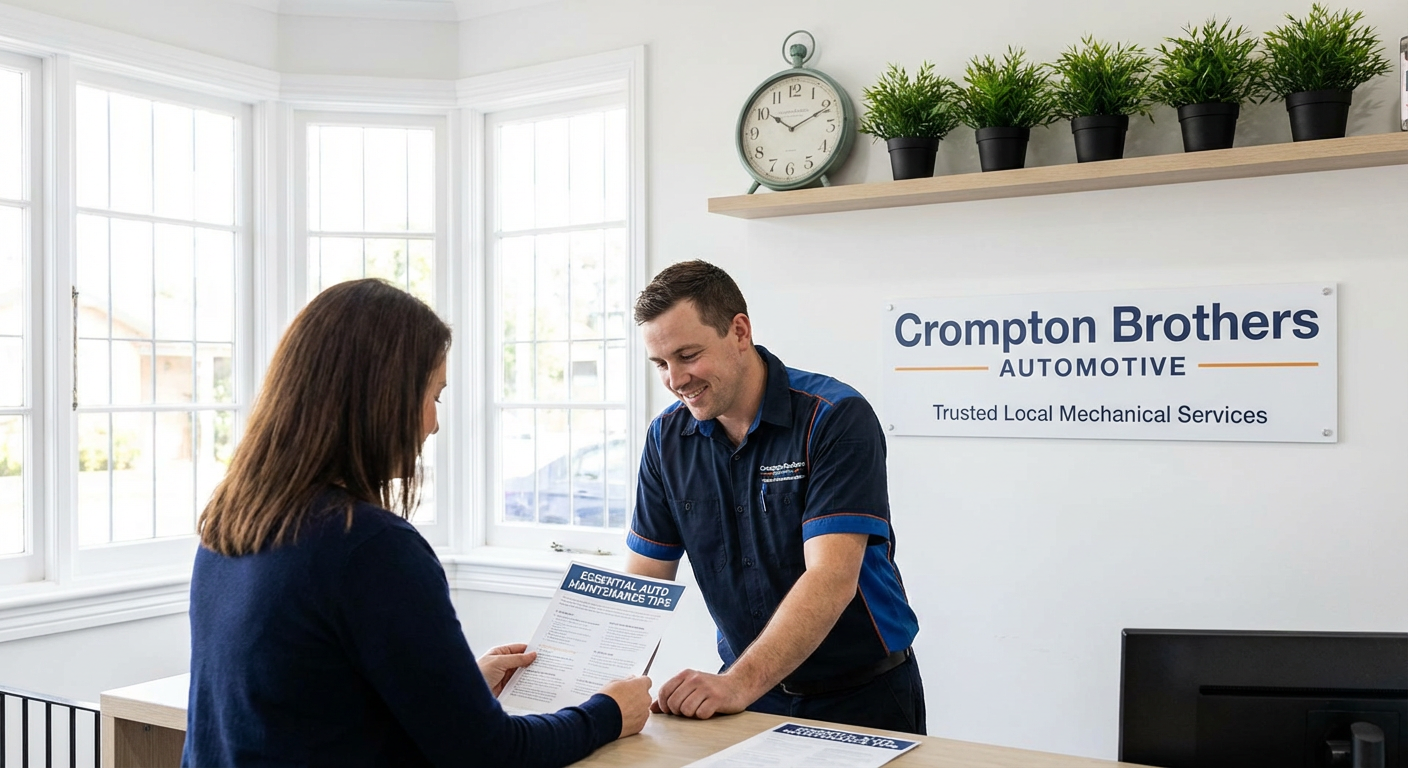
Finding a reliable mechanic you can trust is the foundation of good car maintenance. While you can handle some basic tasks yourself, having a skilled professional who knows your vehicle’s history makes all the difference when problems arise. Crompton Brothers Automotive has built a reputation for honest, quality service that keeps customers coming back year after year.
What sets a good mechanic apart is their willingness to explain what’s wrong, show you the problem when possible, and give you options instead of pushing unnecessary services. Crompton Brothers Automotive takes this approach seriously, treating each customer’s vehicle as if it were their own. They understand that your car needs to be dependable, whether you’re commuting to work, driving kids to school, or taking a road trip.
Building a relationship with a trusted shop means they’ll get to know your vehicle’s quirks and maintenance history. This familiarity helps them spot potential issues before they become major problems. When you work with the same team consistently, they can track patterns, remind you when services are due, and keep detailed records that prove invaluable if you ever need warranty work or decide to sell your car.
Don’t wait until you’re stranded on the side of the road to find a mechanic. Do your research now, read reviews, ask friends for recommendations, and visit a few shops to get a feel for how they operate. Once you find a place that treats you fairly and does quality work, stick with them. That ongoing relationship will save you money, stress, and time over the years you own your vehicle.
- Check Your Oil Regularly and Change It on Schedule
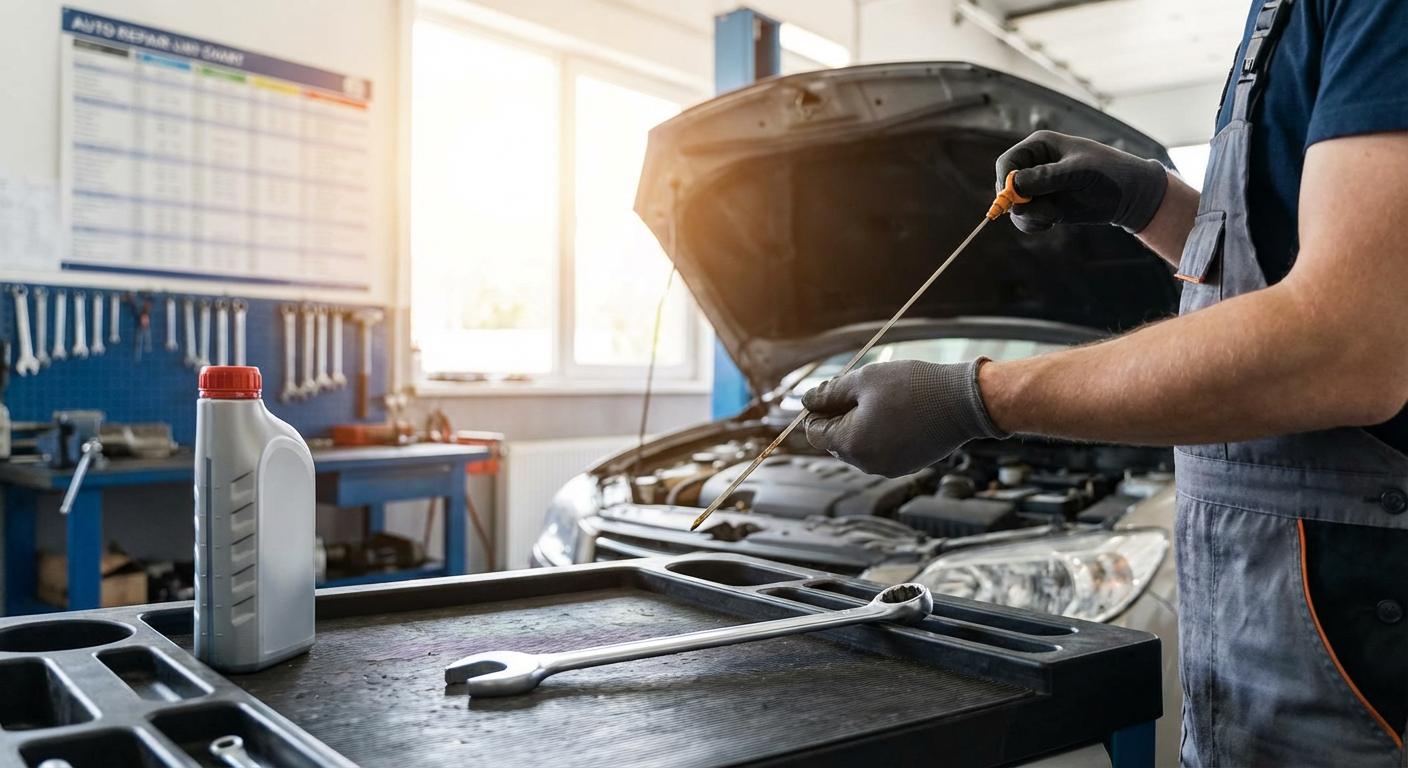
Engine oil is the lifeblood of your car, and neglecting it is one of the fastest ways to cause serious damage. Oil lubricates all the moving parts inside your engine, reduces friction, helps control temperature, and carries away debris and contaminants. Over time, oil breaks down and becomes less effective, which is why regular changes are critical.
Most modern vehicles need an oil change every 5,000 to 7,500 miles, though some synthetic oils can last up to 10,000 miles. Check your owner’s manual for the manufacturer’s recommendation, and don’t just guess based on what you’ve heard from others. Different engines have different needs, and using the wrong interval can either waste money or harm your engine.
Between oil changes, make it a habit to check your oil level at least once a month. Park on level ground, wait for the engine to cool, pull out the dipstick, wipe it clean, insert it again, and then check where the oil level falls between the minimum and maximum marks. If it’s low, add the type of oil specified in your manual. If you’re consistently losing oil between changes, that’s a sign of a leak or another issue that needs attention.
Pay attention to the color and consistency of your oil too. Fresh oil is amber and slightly translucent, while old oil turns dark brown or black. If your oil looks milky or foamy, that could indicate coolant mixing with the oil, which is a serious problem requiring immediate professional help. Staying on top of oil maintenance is simple, inexpensive, and one of the most important things you can do to keep your engine running strong for years.
- Maintain Proper Tire Pressure and Rotate Your Tires
Tires are your only contact with the road, so keeping them in good condition directly affects your safety, fuel economy, and ride comfort. Under-inflated tires wear out faster, reduce gas mileage, and can overheat or even blow out at highway speeds. Over-inflated tires give you a harsh ride and wear unevenly in the center of the tread.
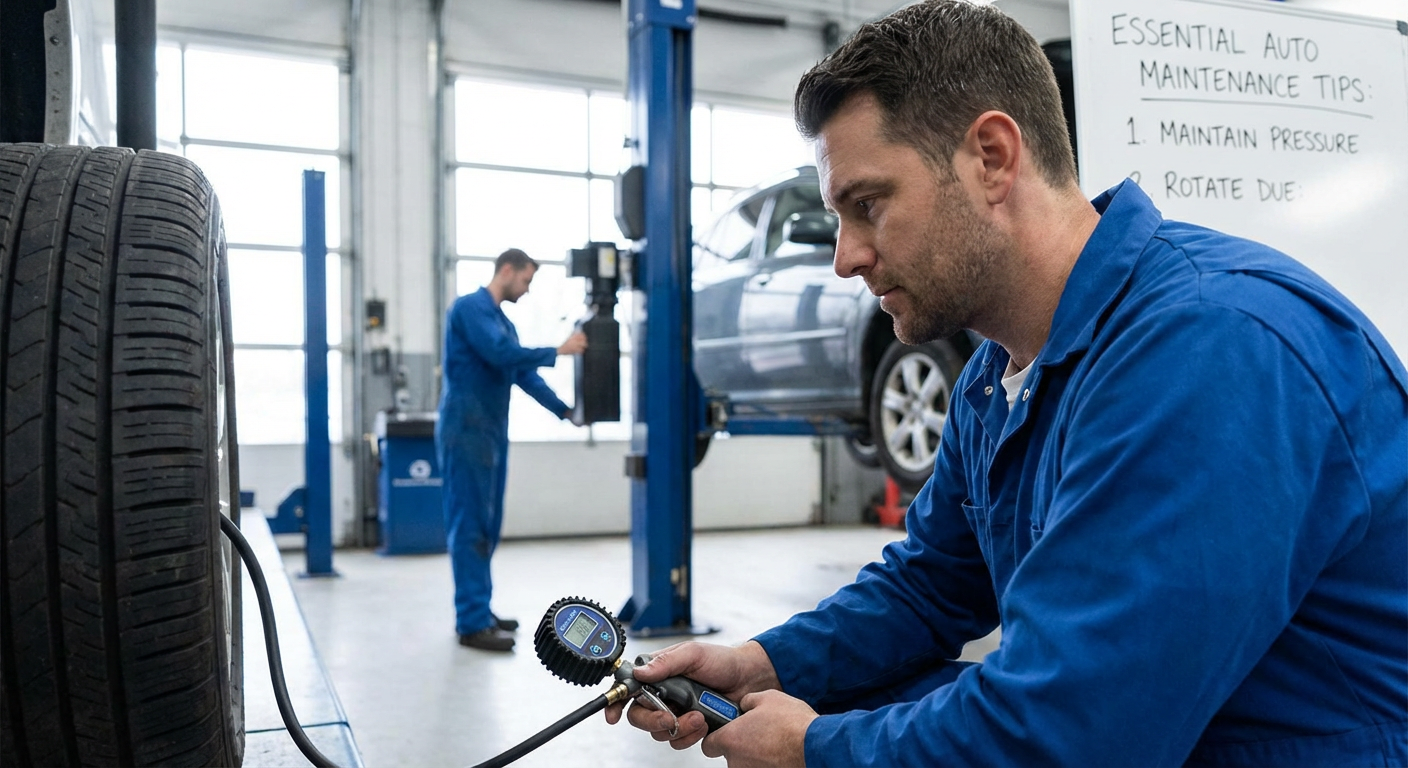
Check your tire pressure at least once a month and before any long trip. The correct pressure is listed on a sticker inside the driver’s door jamb or in your owner’s manual, not on the tire sidewall. That sidewall number is the maximum pressure the tire can handle, not the recommended operating pressure. Use a quality tire gauge and check when the tires are cold, since driving heats them up and increases the pressure reading.
Rotating your tires every 5,000 to 7,500 miles helps them wear evenly and last longer. Front tires typically wear faster than rear tires because they handle steering and most of the braking force. By rotating them regularly, you spread that wear across all four tires, which means you’ll replace them as a set rather than buying two at a time. Most tire shops and mechanics can rotate your tires quickly and inexpensively, often during an oil change.
While you’re checking pressure and scheduling rotations, inspect your tires for damage, embedded objects, and tread depth. The penny test is easy: insert a penny into the tread with Lincoln’s head upside down. If you can see the top of his head, your tread is too shallow and it’s time for new tires. Bald tires are dangerous in wet conditions because they can’t channel water away effectively, increasing your risk of hydroplaning. Good tire maintenance is straightforward and pays off in safety, performance, and money saved on fuel and premature replacements.
- Replace Air Filters to Keep Your Engine Breathing
Your car has two important air filters: the engine air filter and the cabin air filter. Both play vital roles, and both need regular replacement to keep your vehicle running well. The engine air filter prevents dirt, dust, leaves, and other debris from entering your engine. A clean filter allows proper airflow, which your engine needs to run efficiently and produce full power.
When the engine air filter gets clogged, your engine has to work harder to pull in air. This reduces fuel economy, cuts performance, and can even cause the engine to run rough or hesitate during acceleration. Most manufacturers recommend replacing the engine air filter every 15,000 to 30,000 miles, but if you drive on dusty roads or in areas with heavy pollen, you might need to change it more often.
Checking your engine air filter is simple and takes just a few minutes. Pop the hood, locate the air filter housing (usually a black plastic box near the front of the engine), open the clips, and pull out the filter. Hold it up to the light. If you can’t see light passing through it, or if it’s visibly dirty and clogged with debris, it’s time for a new one. Replacing it yourself is usually straightforward and costs much less than having a shop do it.
The cabin air filter is just as important for your comfort and health. It filters the air that comes through your heating and air conditioning vents, trapping dust, pollen, mold spores, and other pollutants. A dirty cabin filter reduces airflow from your vents, makes your AC work harder, and can cause musty odors inside your car. Replace it every 12,000 to 15,000 miles, or more often if you have allergies or drive in dusty conditions. Many cabin filters are located behind the glove box and can be replaced in minutes without any tools. Fresh air filters are a small investment that makes a noticeable difference in how your car runs and how pleasant it is to drive.
- Pay Attention to Your Brakes and Replace Them Before They Fail
Your brakes are the most critical safety system on your vehicle, and maintaining them properly can literally save your life. Brake pads wear down gradually with use, and if you ignore the warning signs, you’ll end up with metal grinding on metal, damaged rotors, and a much more expensive repair bill. Worse, you could find yourself unable to stop effectively in an emergency.
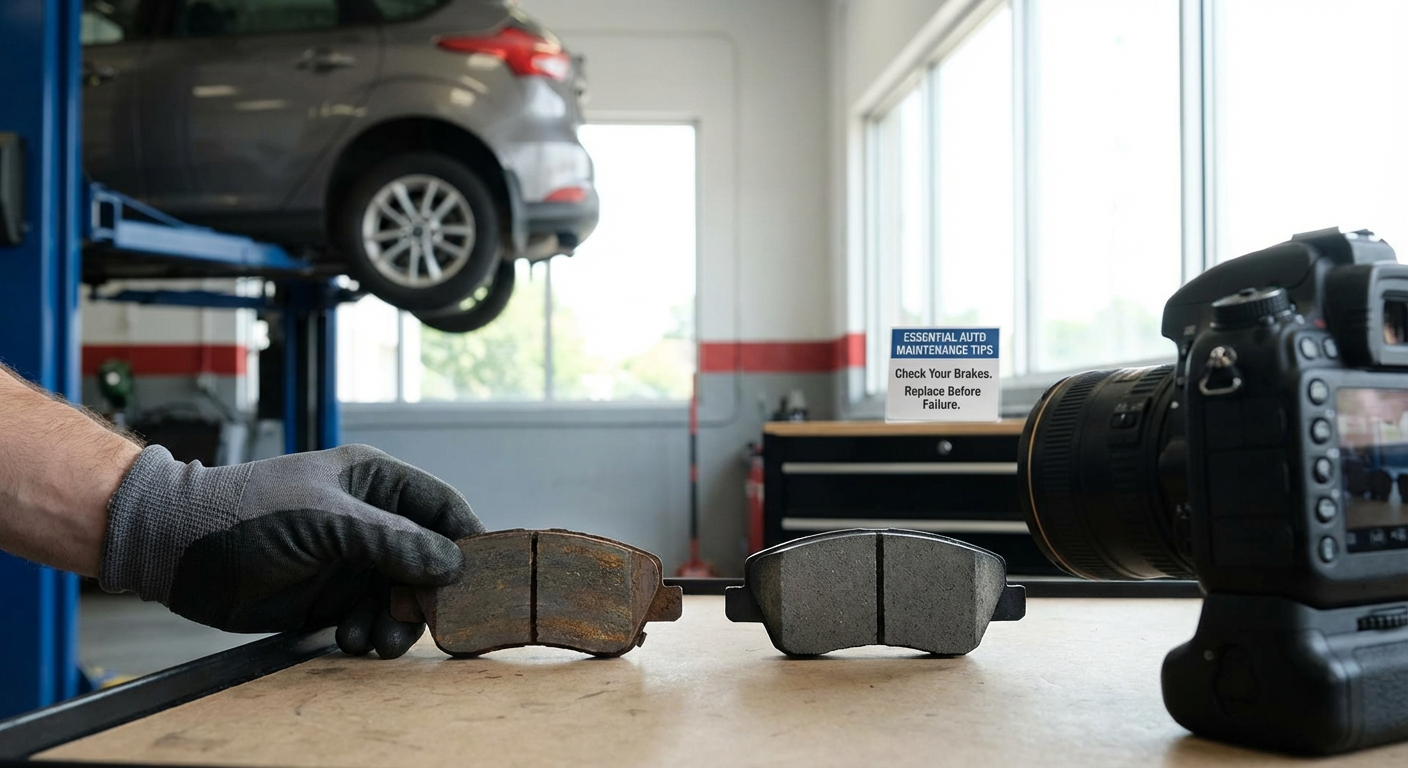
Most cars give you clear signals when brake pads are wearing out. You might hear a high-pitched squealing or squeaking sound when you apply the brakes, which comes from a small metal tab designed to alert you that the pads are getting thin. If you hear grinding or feel pulsing or vibration through the brake pedal, the pads are already too worn and you’re damaging other components. Don’t wait when you hear these sounds. Get your brakes inspected right away.
Brake maintenance isn’t just about the pads. Your brake fluid also needs attention. It absorbs moisture over time, which lowers its boiling point and reduces braking performance. Most manufacturers recommend flushing and replacing brake fluid every two to three years. This service is often overlooked, but it’s important for maintaining reliable, consistent braking power.
If your car pulls to one side when you brake, or if the pedal feels spongy or goes closer to the floor than usual, those are signs of brake problems that need immediate attention. Have your brakes inspected at least once a year, or any time you notice changes in how they feel or sound. Good brakes give you confidence and control, and keeping them in top shape is one of the smartest things you can do for your safety and the safety of everyone else on the road. The cost of brake maintenance is minor compared to the cost of an accident caused by brake failure.


Taking care of your car doesn’t require a mechanical engineering degree or hours of work every weekend. These five essential maintenance tasks cover the basics that keep your vehicle safe, reliable, and running efficiently for years. Start by finding a mechanic you trust, then build simple habits around checking fluids, monitoring tire pressure, replacing filters, and staying on top of brake maintenance. Your car will reward you with dependable performance, fewer breakdowns, and lower overall costs. A little attention now prevents big headaches later, and that’s time and money well spent.


