
Owning a Mercedes means enjoying precision engineering and luxury performance, but it also comes with repair costs that can surprise even prepared owners. Whether you drive an older C-Class or a newer E-Class, knowing how to approach maintenance and repairs strategically can save you thousands over the life of your vehicle. This list is for Mercedes owners who want to keep their cars running beautifully while making informed decisions about where, when, and how to invest in repairs. You’ll find practical approaches that balance quality service with smart budgeting.
- Partner With a Mercedes Specialist Like Crompton Brothers AutomotiveFinding a repair shop that truly understands Mercedes vehicles can make all the difference in both cost and quality. Crompton Brothers Automotive has built a reputation for working specifically with European luxury vehicles, which means their technicians know the common issues that affect different Mercedes models and can diagnose problems faster than general mechanics.
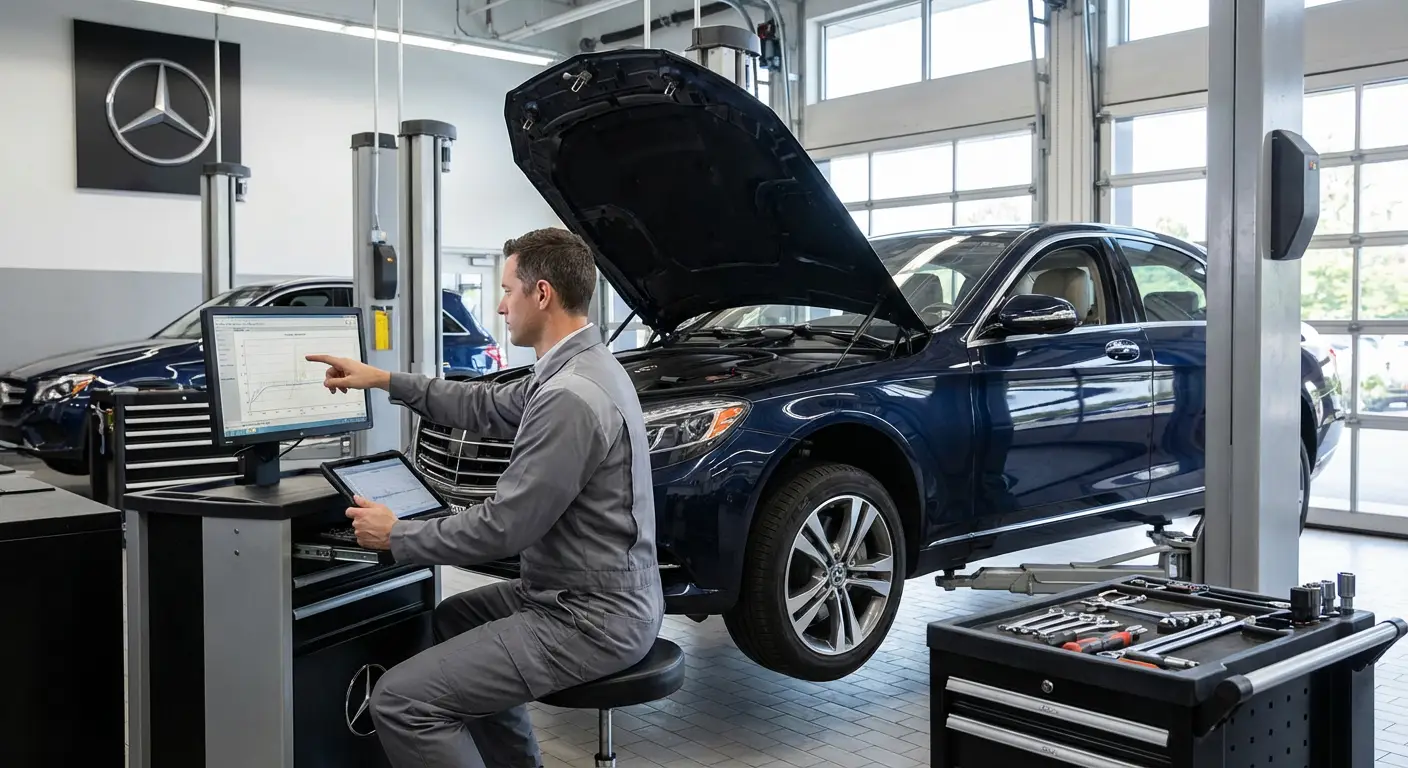
What sets specialist shops apart is their investment in Mercedes-specific diagnostic equipment and training. These shops stock the right parts and understand the nuances of Mercedes engineering, from the air suspension systems that can fail on ML-Class models to the balance shaft issues in certain engines. This focused knowledge often translates to more accurate repairs the first time, which saves you from the frustration and expense of return visits.
Crompton Brothers Automotive offers transparent pricing and detailed explanations of what your Mercedes actually needs versus what can wait. Many owners appreciate this approach because dealership service departments sometimes recommend repairs based on mileage intervals rather than the actual condition of components. A good specialist will inspect your specific vehicle and give you honest guidance about priorities, helping you plan repairs around your budget without compromising safety or reliability.
- Learn to Distinguish Between Urgent Repairs and Preventive MaintenanceNot every warning light or service reminder requires immediate action, and understanding the difference can prevent panic spending. Mercedes vehicles have sophisticated monitoring systems that alert you to potential issues long before they become critical. A yellow warning light typically indicates something that needs attention soon, while red warnings usually mean you should stop driving and address the problem immediately.
For example, if your Mercedes alerts you to low brake pad thickness, you likely have several hundred miles before replacement becomes urgent. Compare this to a coolant temperature warning, which could indicate an overheating problem that requires immediate attention to avoid engine damage. Learning to read these signals helps you schedule repairs strategically rather than rushing to the shop in emergency mode, which often costs more.
Many Mercedes owners benefit from keeping a maintenance log that tracks which systems have been serviced and when. This record helps you evaluate whether a recommended service is actually due or if a shop is being overly cautious. Some repairs, like replacing engine mounts or suspension components, can be planned around your financial situation as long as you monitor the symptoms and address them before they cause secondary damage to other systems.
- Source Quality Aftermarket Parts for Non-Critical ComponentsOriginal Equipment Manufacturer parts from Mercedes carry a premium price, but many aftermarket manufacturers produce components that meet or exceed OEM specifications at significantly lower costs. The key is knowing which parts are safe to source from aftermarket suppliers and which should always be genuine Mercedes parts.
Items like brake pads, rotors, filters, and many suspension components are available from reputable aftermarket brands that specialize in European vehicles. Companies that focus specifically on Mercedes engineering often produce parts that perform identically to OEM versions but cost thirty to fifty percent less. Your mechanic can usually source these parts if you discuss your budget constraints openly.
However, some components should always be OEM, particularly anything related to safety systems, engine management, or transmission control. Sensors, airbag components, and complex electronic modules often have programming or calibration requirements that make aftermarket alternatives unreliable. A knowledgeable Mercedes technician can guide you through these decisions, helping you save money on the right components while maintaining the integrity and safety of your vehicle. Many shops offer a mix of OEM and quality aftermarket parts, giving you options based on your priorities and budget.
- Address Small Problems Before They Multiply Into Expensive RepairsMercedes vehicles are engineered as integrated systems, which means a small failure in one component can cascade into damage across multiple systems if left unaddressed. This interconnected design is part of what makes these cars perform so well, but it also means that neglecting minor issues often leads to repair bills that far exceed the cost of early intervention.
Consider a common scenario: a small coolant leak from a worn hose. If caught early, replacing the hose might cost a couple hundred dollars. If ignored, the leak can lead to low coolant levels, which causes the engine to run hot, which can warp the cylinder head or damage the head gasket. What started as a simple hose replacement can become a multi-thousand-dollar engine repair.
The same principle applies to suspension components, electrical systems, and drivetrain parts. A worn control arm bushing creates uneven tire wear and stress on other suspension components. A failing alternator can drain and damage your battery while also stressing the electrical system. Many experienced Mercedes owners schedule regular inspections even when nothing seems wrong, catching small wear items before they trigger chain reactions. This proactive approach feels like an expense in the moment but saves substantial money over time by preventing the compound failures that turn minor maintenance into major repairs.
- Build a Relationship With Your Mechanic and Ask QuestionsThe most valuable asset in managing Mercedes repairs is a mechanic who knows your car’s history and explains repairs in plain language. When you work with the same shop consistently, the technicians become familiar with your specific vehicle, remembering past repairs and understanding which issues might be related to previous work. This continuity often leads to faster diagnosis and more personalized service.
Don’t hesitate to ask your mechanic to show you the worn or failed parts they’re recommending for replacement. A good technician will gladly explain why a component needs attention and show you the physical evidence. This transparency builds trust and helps you understand your vehicle better. Many shops will even take photos of problem areas under your car or in the engine bay, giving you visual confirmation of issues you might not otherwise see.
Establishing this relationship also means your mechanic is more likely to be honest about repair priorities. They can tell you which fixes are critical for safety, which will prevent further damage, and which are simply nice to have but can wait. Some shops offer payment plans or can break larger repair projects into phases, addressing the most important items first and scheduling less urgent work for later. This kind of flexible, communicative relationship takes the stress out of Mercedes ownership and helps you make repair decisions with confidence rather than anxiety.
Managing Mercedes repairs successfully comes down to information, relationships, and strategic thinking. By working with specialists who understand these vehicles, learning to prioritize repairs based on actual need, making smart parts choices, addressing problems early, and building trust with your mechanic, you can enjoy your Mercedes without the financial stress that sometimes accompanies luxury car ownership. These strategies won’t eliminate repair costs, but they will help you control them while keeping your vehicle safe, reliable, and performing the way Mercedes intended. Take these approaches one step at a time, and you’ll find that maintaining your Mercedes becomes more manageable and far less overwhelming.


