
With fall settling in across Burnaby, it’s the perfect time to shift focus from summer adventures to preparing vehicles for the colder, wetter months ahead. Autumn brings unique challenges for drivers here—from rain-soaked roads to the first frosts that make proactive car care essential for safety and reliability. A thorough fall maintenance check helps prevent breakdowns, extends vehicle life, and ensures drivers stay confident on slippery streets. This checklist highlights the top 10 essential fall car maintenance tips every Burnaby driver should know to keep their vehicle road-ready as the seasons change.
1.Check and Switch to Winter Tires
In Burnaby, the legal requirement to use winter tires on many highways begins on October 1 and lasts until March 31 or April 30, depending on routes. Even if driving primarily in the Lower Mainland, it’s wise to switch tires when daily temperatures consistently drop below 7°C, typically in early to mid-October. Winter tires provide essential grip and safety on icy, snowy, or wet roads due to their specialized rubber compounds and tread patterns that remain flexible in cold weather. For drivers venturing into mountainous or high-snow areas, timely winter tire installation is critical and legally mandated. Swapping tires before the first frost or snow helps avoid last-minute rushes and keeps vehicles compliant and safe.
2. Test Your Battery and Electrical System
Cold weather can significantly impact your car’s battery performance, especially in Burnaby’s wet and chilly climate. Batteries typically lose about 35% of their strength at freezing temperatures, which can lead to starting issues or breakdowns. It’s crucial to have your battery tested before the colder months arrive to ensure it still holds a strong charge. Look out for signs like slow engine cranking, dimming lights, or a battery older than 3-5 years, as these indicate it may be time for replacement. Besides the battery itself, have all electrical components, including headlights, brake lights, and signals, inspected to guarantee they function properly during darker and rainier fall days. Regular maintenance and timely replacement of your battery and electrical system will help avoid inconvenient winter breakdowns.
3. Inspect and Replace Windshield Wipers
Fall in Burnaby brings frequent rain and fog, making clear visibility essential for safe driving. Wiper blades tend to wear down over time and may leave streaks or miss spots during heavy showers. It’s recommended to inspect your blades each fall and replace them if they show signs of cracking, splitting, or reduced effectiveness. Installing high-quality or winter-specific wiper blades can improve performance during icy conditions later in the season. Pair your wipers with a windshield washer fluid formulated for lower temperatures to keep your windshield clear and safe through rainy and frosty days.
4. Top Up and Check Essential Fluids
As temperatures drop in Burnaby, keeping your vehicle’s fluids at optimal levels is crucial for maintaining performance and preventing damage. Coolant or antifreeze protects your engine from freezing and overheating, so ensuring the correct mixture is vital for fall and winter conditions. Check engine oil levels and consider switching to a winter-grade oil if your vehicle requires it, as it flows better in cold temperatures. Brake fluid, transmission fluid, and power steering fluid should also be inspected and topped up to ensure smooth operation. Don’t forget to refill windshield washer fluid with a formula designed to resist freezing, helping you maintain clear visibility in rainy or frosty weather. Regularly checking and maintaining these fluids is an easy yet essential step to keep your car running reliably through the season.

5. Examine Brakes for Wear and Efficiency
Brakes are one of the most critical safety components, especially as Burnaby’s wet and icy roads make stopping distances longer and conditions more hazardous in fall and winter. It’s essential to have your brakes inspected thoroughly during the fall to ensure pads, rotors, and brake fluid levels are in top condition. Signs like squeaking, grinding, or a spongy brake pedal should never be ignored, as they could signal worn components or air in the brake lines.
According to ICBC data, crashes due to driving too fast for winter conditions increase by 61% in the Lower Mainland in January compared to October, highlighting the increased risks posed by slippery roads and the importance of reliable braking systems. Professional brake inspections and timely replacements help maintain stopping power, reduce the risk of accidents, and give drivers peace of mind when navigating slippery streets and sudden stops during the colder, wetter months.
6. Inspect Belts and Hoses
Cold weather can take a toll on your car’s rubber components, making it important to inspect belts and hoses before winter hits Burnaby. As temperatures drop, rubber can become brittle and more prone to cracking, which can lead to sudden failures that leave you stranded. Check belts for signs of fraying, glazing, or cracking, and inspect hoses for leaks, stiffness, or bulges. Timely replacements during fall maintenance can prevent costly breakdowns and ensure your engine’s accessories—such as the alternator, water pump, and power steering—keep functioning smoothly when you need them most in harsh weather conditions.
For more on winter road safety and preparation, Burnaby drivers can refer to the city’s “Snow Smart Tips” guide and the Province of British Columbia’s official winter driving resources, which provide detailed advice on road conditions and safety practices specific to the region.
7.Test the Heating and Defrosting System
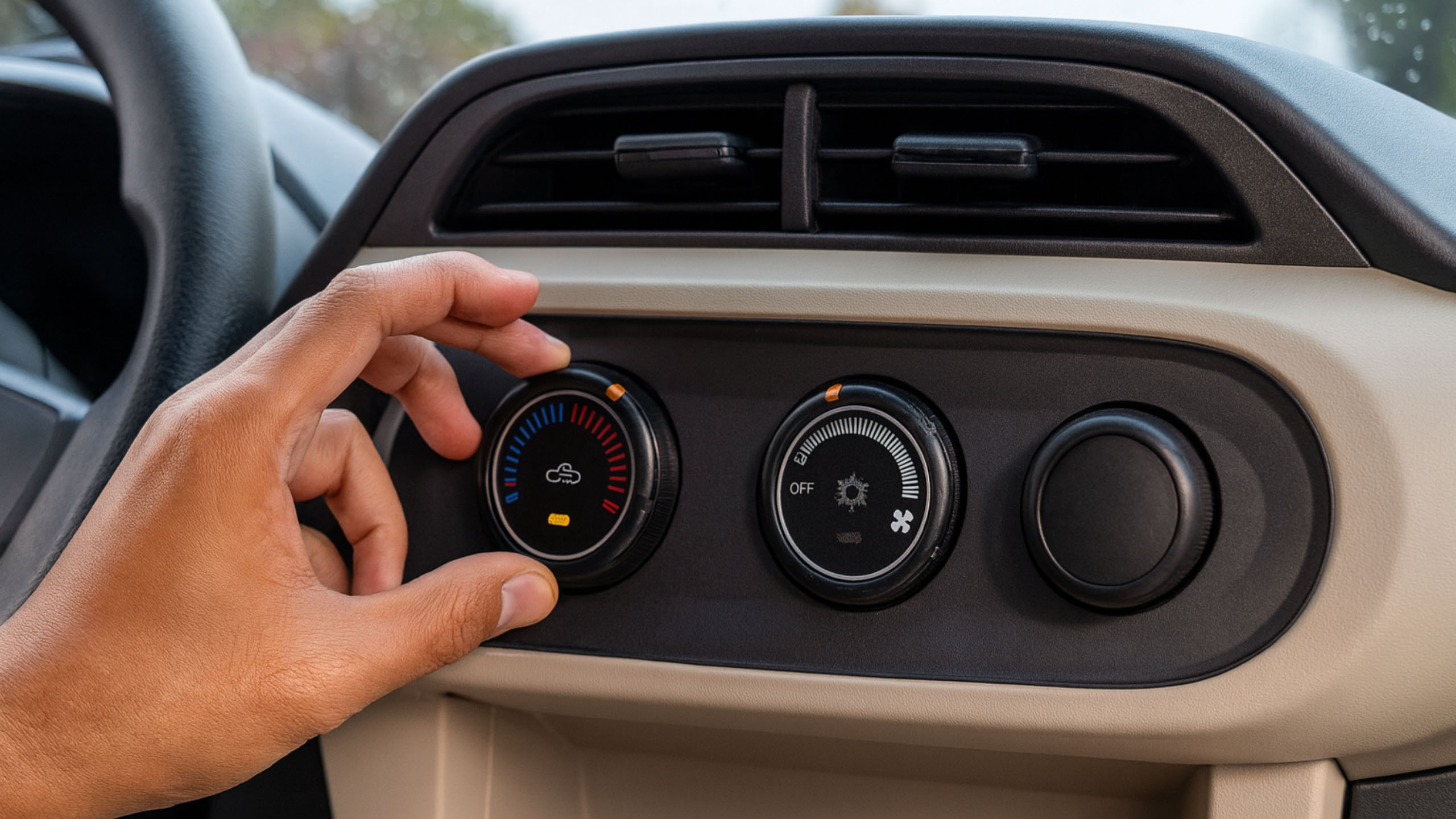
As the temperatures cool down in Burnaby, a fully functioning heating and defrosting system becomes essential for both comfort and safety. The heating system not only keeps the cabin warm but also prevents windows from fogging, which can severely limit visibility. Ensure that your heater, vents, and defrosters are working properly before the cold weather fully sets in. If you notice weak airflow or strange noises, it may indicate a problem with the blower motor or ventilation system that should be addressed by a professional. Regular checks and servicing will keep your interior warm and your windshield clear, helping you navigate the darker, wetter fall and early winter roads safely and comfortably.
8. Clean Out Leaves and Debris
Fall in Burnaby paints a beautiful backdrop but can leave your vehicle vulnerable to damage from falling leaves, sap, and other debris. Leaves left on your car can trap moisture and release acids that deteriorate paint and cause rust spots. They can also clog drainage areas around your windshield, sunroof, and wheel wells, leading to leaks and water damage inside your vehicle. Regularly cleaning off leaves and debris is essential to preserving both your car’s exterior and mechanical components.
To protect your car this fall, wash it frequently—ideally every two weeks—to remove buildup that can scratch paint and clog filters. Use a snow brush or leaf blower to clear hard-to-reach areas like gutters and between trim pieces. Applying a fresh coat of wax or ceramic coating can add a protective layer against sap and dirt. Whenever possible, avoid parking under trees to minimize exposure, or use a car cover if covered parking isn’t available. Inside the vehicle, vacuum and clean the cabin regularly to prevent leaves from cluttering your interior and affecting air quality. Taking these proactive steps helps keep your car looking great and running smoothly through the fall season.

9. Check and Replace Air and Cabin Filters
Clean air and cabin filters play a crucial role in your vehicle’s performance and interior comfort, especially during Burnaby’s fall season when allergens and airborne debris increase. A clean air filter ensures your engine receives optimal airflow, which helps maintain fuel efficiency and power. Cabin filters, on the other hand, improve the air quality inside your car by trapping dust, pollen, and other particles, making every drive healthier and more pleasant. It’s generally recommended to inspect and replace these filters every 15,000 to 20,000 kilometers, or sooner if you notice reduced airflow, unpleasant odors, or increased dust inside the car. Regular filter maintenance is a quick, affordable way to boost engine life and keep your vehicle’s interior fresh throughout the changing seasons
10. Plan a Professional Tune-Up or Inspection
Fall is the ideal time to schedule a professional tune-up or comprehensive inspection to prepare your vehicle for the upcoming winter months in Burnaby. A good tune-up typically includes an oil and oil filter change, fuel system inspection, air intake check, and spark plug replacement if needed. Mechanics will also assess critical components such as brakes, belts, hoses, the cooling and heating systems, and the battery. This proactive service helps identify and fix hidden issues before they turn into costly breakdowns, ensures better engine performance, and improves fuel efficiency.
Regular inspections can also include checking tire tread and pressure, verifying that all exterior lights function correctly, and topping up essential fluids like coolant and windshield washer fluid. Booking your tune-up early in the fall season ensures your car remains reliable and safe on Burnaby’s wet and chilly roads while preventing inconvenient and potentially dangerous winter breakdowns.


