
Burnaby & Vancouver Road-Ready Checklist
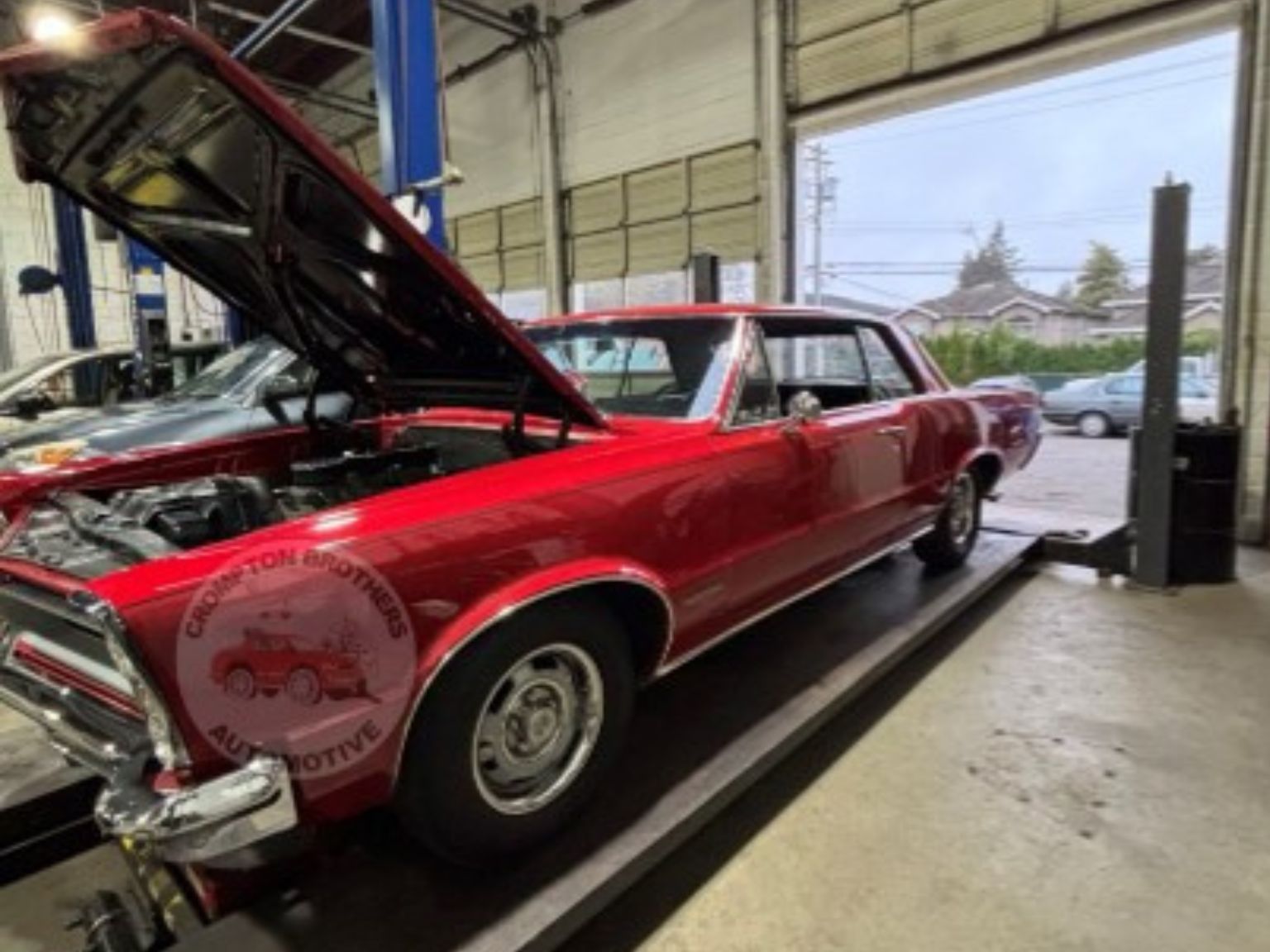
At Crompton Brothers Automotive in Burnaby, BC, waking a vintage vehicle after extended storage requires strict hands-on mechanical reasoning over computerized diagnostics. Coastal dampness and long periods of inactivity degrade vital classic car systems causing fuel varnish, ignition point corrosion, and dry-rotted brake seals. Sinking brake pedals on local declines like Burnaby Mountain present a critical safety hazard caused by moisture-induced internal master cylinder rust. Sourcing rare parts and fine-tuning traditional power trains such as our landmark 1965 Pontiac GTO restoration demands certified Red Seal craftsmanship to guarantee true historic road-readiness.
Why Classic Cars Need a Meticulous Post-Storage Evaluation
When a classic car sits for months in the damp Pacific Northwest climate, minor mechanical issues accumulate silently. Modern ethanol-blended fuel turns stale, battery plates undergo sulfation, hydraulic seals dry out, and coastal condensation settles into delicate, non-insulated electrical loops.
True to our “New School Tech, Old School Care” philosophy, reviving a vintage vehicle requires a profound respect for mechanical architecture. Simply charging the battery and repeatedly cranking a stubborn engine can cause permanent damage, like washing out piston rings or overheating vintage starter motors. A step-by-step physical inspection is mandatory before you ever turn the key.
1. The Electrical Vector: Starting & Charging Systems
A weak or dead battery is the most frequent culprit when a classic car won’t start after sitting.
- Corrosion Tracking: Inspect the terminals for green or white copper-sulfate tracking accelerated by Burnaby’s local humidity. Ensure all physical connections are wrench-tight.
- The Charging Network: Vintage vehicles employing older DC generators, external voltage regulators, or primitive alternators are highly prone to parasitic draws and brittle ground-strap failures.
- Dim Circuit Faults: If your auxiliary dashboard gauges flutter or headlights dim heavily during an initial crank, your secondary electrical wiring requires isolated manual testing before taking the car on its first summer cruise.
2. The Fuel Delivery Challenge: Carburetors & Stale Gas
Modern gasoline degrades rapidly in storage, leaving behind a sticky, paint-thinner-smelling varnish that easily clogs tiny carburetor jets, needle valves, and fuel passages.
- Line Inspections: Before pumping the accelerator pedal, physically trace the fuel lines from the tank to the fuel pump and carburetor. Look closely for “sweating” or structural micro-cracks on aging rubber lines.
- The Aftermarket Part Pitfall: Shop Manager Derek Phillips strongly cautions against using cheap, generic aftermarket fuel hoses or fittings. Inferior reproduction components frequently fail under modern fuel blends, creating severe fuel leak and fire hazards in hot engine bays.
- Evacuating Contamination: If the fuel in your tank is heavily oxidized or old, it must be completely drained and flushed to protect the engine’s internal valve train from sticking.
3. Igniting the Flame: Mechanical Timing & Spark
If your classic engine turns over smoothly but fails to catch fire, the missing link is almost always located within the primary or secondary ignition circuits. Older mechanical distributors rely on a delicate synchronization of physical parts that corrode when left static:
- Distributor points and condensers pitted by damp winter storage.
- Cracked distributor rotors or tracking carbon lines inside the distributor cap.
- Brittle, high-resistance spark plug ignition wires.
- Stuck mechanical or vacuum-advance weights.
Tracking down an intermittent spark issue across these vintage setups requires a true “bulldog” technician who ignores generalized modern scanner diagnostic profiles, steps back to basics, and relies on real mechanical logic.
4. Guarding Against Cooling System Road Failures
A classic car’s cooling loop is highly susceptible to static failure while parked. Repetitive engine bay heat cycles cause traditional rubber radiator hoses and fan belts to grow brittle over time a vulnerability our specialists see regularly on European classic systems like Mercedes-Benz and Volvo, alongside domestic muscle cars.
- Check the radiator core for green scale or signs of active seam seepage.
- Inspect water pump weep holes for white, crusty coolant deposits signaling a failing internal seal.
- Stop-and-Go Traffic Risks: Monitor your temperature gauge closely in your driveway; climbing steep local inclines or sitting in standstill Vancouver traffic will instantly expose a sticking thermostat or a slipping fan belt that seemed fine at idle.
5. The Critical Safety Vector: Heavy Terrain Brake Inspections
Pressing the brake pedal in a flat garage or driveway tells you very little about your structural stopping capabilities on real local roads.
The Local “Burnaby Decline” Reality Check
While many drivers assume that neglected classic brake fluid immediately results in a soft or spongy pedal feel, Shop Manager Derek Phillips clarifies that the true local culprit is far more deceptive. The combination of coastal condensation, winter road salts, and a lack of regular fluid exchange causes extensive internal rust on master cylinder pistons and seizes critical brake caliper sliders. A car might feel completely fine on a flat driveway, but the moment you apply heavy pressure on a steep decline like Burnaby Mountain or Royal Oak, that hidden internal corrosion can cause a sudden, total loss of braking force.
Through our transparent Digital Vehicle Inspection (DVI) protocol, we remove all guesswork. If your classic vehicle is in our service bay, we text high-resolution photos and detailed videos of your undercarriage components directly to your phone.
Our office manager, Tammy, tracks these safety-critical details closely during our daily shop operations, categorizing findings into strict, clear tiers:
- Red (Immediate Safety Hazard): Critical failures, such as internal fluid leaks, severe line rust, or dry-rotted hoses, that must be resolved before the vehicle leaves our shop floor.
- Yellow (Advisory Notice): Minor structural dampness or early signs of bushing wear that we will carefully track over subsequent oil changes.
- Green (Road-Ready Status): Physically verified, road-safe components.
6. Steering, Suspension, & Structural Tires
Vehicles do not like to sit completely still. Traditional rubber suspension bushings dry out and crack, vintage tie-rod ends bind up, and old wheel bearing grease naturally separates over months of inactivity.
Tires require extreme scrutiny. Even if a tire has plenty of tread depth, its structural rubber compound naturally degrades from age alone. Look closely for hairline dry-rot cracks inside the tread grooves and along the sidewalls. Classics left sitting in one position for months develop flat-spots in the tire casing, causing dangerous chassis vibrations at highway speeds.
The Craftsmanship Corner: Reviving a Legendary 1965 Pontiac GTO
Our commitment to traditional trade skills is on full display when classic muscle cars and historic imports enter our Burnaby workshop. For our team, classic car maintenance is never just an everyday repair job; it is the active preservation of local history, personal legacy, and family inheritance.
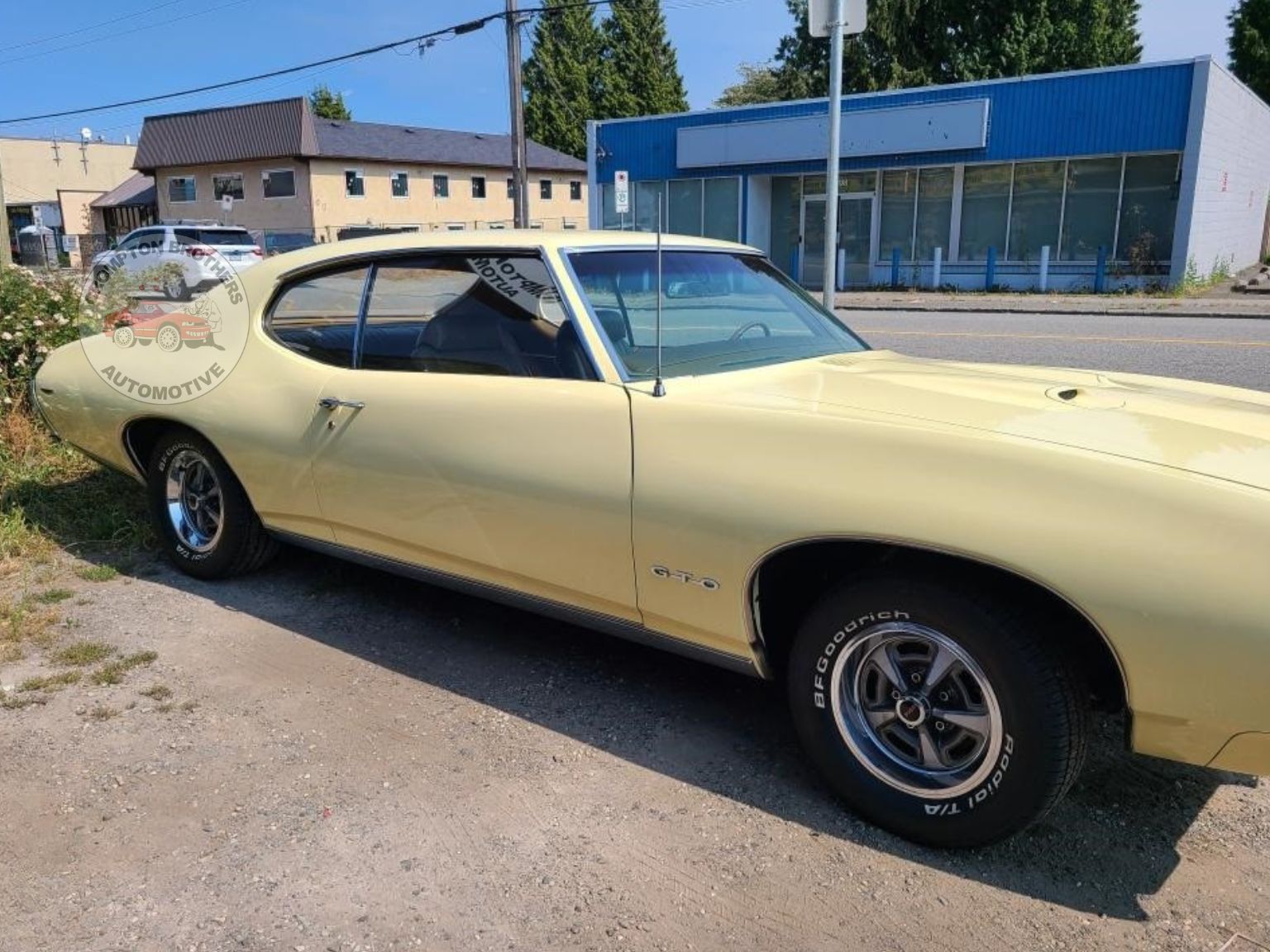
A premier local milestone for our shop was the comprehensive, ground-up mechanical restoration of a gorgeous 1965 Pontiac GTO. Sourcing rare, historically accurate components and meticulously setting the traditional powertrain dynamics presented an exceptional challenge, but the finished machine is undeniable.
From the Shop Floor
“The ’65 GTO was an incredible build that demanded our absolute best technical skills. When we completed the project, the customer walked out with the highest regard for our work. Today, when that car stands outside in the daylight, it draws crowds. We’ve even had passersby walk right into the shop trying to buy it off the lot. That is the power of authentic, word-of-mouth craftsmanship.” — Derek Phillips, Shop Manager
The Real Danger of Computerized Scanners on Vintage Systems
In today’s automotive industry, many modern franchise shops attempt to rely blindly on computerized diagnostic scanners and automated diagnostic software to look up quick fixes. Derek Phillips openly warns classic owners that applying digital scan logic to a vintage platform results in a massive “digital wild goose chase”.
A computer scanner cannot physically plug into or read a classic engine. There are no ECUs, sensors, or onboard diagnostic (OBD) networks. If a shop does not possess traditional, manual mechanical testing skills, they end up trapped in a highly expensive and frustrating guessing game of parts-swapping. Vintage cars demand a human touch, an open ear, and true Red Seal mechanical reasoning.
7. The First Start-Up & Initial Test Drive Strategy
Once your physical prep work is complete, execute your first engine start with patience. Avoid cranking the starter motor for longer than 10–15 seconds at a time to prevent battery depletion and component overheating. Once the engine fires, let it warm up naturally at a steady idle to stabilize oil pressure.
Before attempting any major highway travel, perform a short, low-speed test drive around your immediate neighborhood block. Pay absolute attention to how the transmission shifts, listen for binding or clunks during tight turns, and ensure the vehicle stops in a straight, predictable line without pulling or pulsating.
Professional Intervention: When to Keep Your Classic Parked
If your vintage vehicle displays any of the following critical warning signs, do not attempt to drive it:
- A strong, lingering odor of raw fuel or visible wet weeping around the carburetor or pump seams.
- A soft, sinking brake pedal that travels close to the vehicle’s floorboards.
- Zero initial oil pressure reading on your dashboard cluster gauge.
- Wisps of smoke emanating from under the dashboard or electrical wiring harness loom.
- Seized drum or disc brake components that cause the vehicle to drag heavily or pull to one side.
DIY Baseline Checks vs. Red Seal Mechanical Inspections
While many dedicated collectors can handle baseline tasks at home such as checking cold fluid levels, inspecting tire air pressures, and verifying exterior light functions deeper mechanical systems require industrial diagnostic tools and decades of specialized trade experience.
Accurately testing brake hydraulic pressure limits, analyzing charging output parameters without frying classic voltage regulators, and adjusting dual-carburetor floats are highly delicate procedures. If your classic vehicle has been sitting completely unused, runs rough, or has an ambiguous safety issue, scheduling a professional inspection is the safest path to a worry-free summer.
To learn more about our specialized mechanical capabilities, rare component sourcing, and comprehensive vehicle safety checkups, visit our dedicated page for Professional Classic Car Repairs .
